
India is going through one of the world’s fastest digital revolutions. You can now do everything from paying your electricity bill to sending large business payments in seconds with a mobile phone. Almost every Indian uses digital tools like UPI, internet banking, mobile wallets, and QR-based payments every day.
This digital growth has made life easier, but it has also brought about a new threat that is quietly growing in the background: cyber fraud. In 2026, India is seeing a huge rise in online scams where hackers use very advanced and sneaky methods to steal money from people who don’t know what’s going on. These scams are no longer simple or easy to spot. They are getting smarter, more emotional, and very hard to spot at first glance.

This article from Scam Alert India explains how these scams work, why they are becoming more common, how people get caught up in them, and what you can do to protect yourself before it’s too late.
The Growth of Digital Crime in India
India has moved a lot toward a cashless economy in the last few years. People now send and receive money in a different way thanks to UPI. Now, even small businesses, street vendors, and people who live in rural areas can use digital payments.
But this quick adoption has also led to a situation where millions of users still don’t know all the cybersecurity risks. A lot of people trust messages, calls, or links from people they don’t know without checking them out first. Cybercriminals take advantage of this all the time.
Hackers these days are not just people who work alone. Many of them work together in organized groups, and some even work from outside the country. They go after Indian users because there are so many of them online.
How Scammers Work in the Modern World
Modern cyber fraud in India is based on psychology as well as technology, unlike older scams that were easy to spot. Scammers don’t just break into systems; they also break into people’s minds. Most scams start with something that seems perfectly normal. It could be a phone call from someone pretending to be your bank, a WhatsApp message saying you won a prize, or even a job offer that looks real. Everything is meant to make people trust each other at first and then panic.
People stop thinking logically when they are emotionally triggered, whether it’s by fear, urgency, or excitement. This is when scammers come in.
For instance, someone might get a call saying that their bank account will be blocked unless they “verify KYC right away.” The person on the other end of the line sounds professional and sometimes uses real bank names and logos. The user is then asked to either share an OTP or click a link. In a matter of seconds, the money is gone.
UPI and Payment Scams: The Most Dangerous Threats Right Now
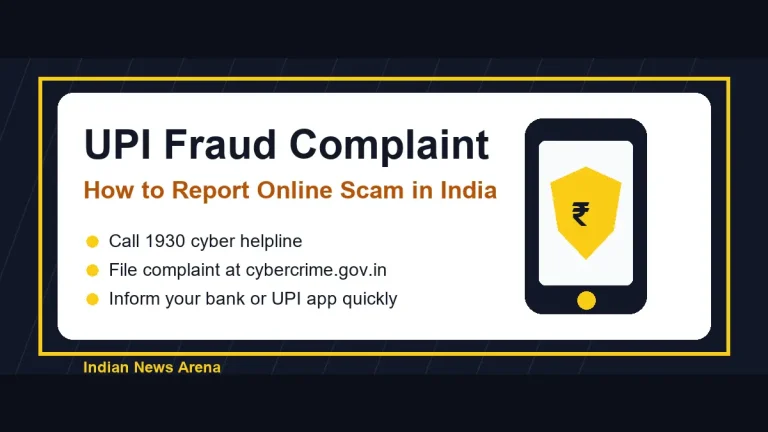
UPI fraud is one of the most common problems in Scam Alert India cases. Scammers like this method the most because UPI transactions happen right away and can’t be undone.
In a lot of cases, users are tricked into agreeing to “payment requests” instead of getting money. A scammer sends a request that looks like a normal transaction notification, but they are really a buyer. The user unknowingly approves it, thinking it’s money coming in, only to find out that money has been taken out of their account.
Fake QR codes are another common trick. You can find these QR codes on social media, WhatsApp, or even on real posters. Instead of getting money, the user ends up sending it when they scan it.
A lot of people don’t double-check before confirming transactions because they trust UPI so much. This makes the Scam Alert India very effective.
Scams that involve fake calls and stealing your digital identity
Impersonation is another big thing that hackers do in 2026. Scammers act like they work for banks, phone companies, delivery services, or even the government.
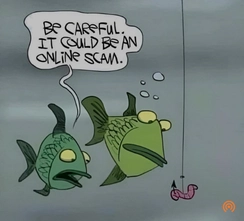
A lot of the time, these calls sound very real. The scammer might already know some basic things about you, like your name or bank name, which makes the call seem real. Then they make you feel like you need to act quickly by saying things like “your account is being looked into,” “your SIM will be blocked,” or “suspicious activity has been found.”
The goal is always the same: to get the victim to give out private information like OTPs, PINs, or account numbers. The fraud is done in a few minutes after that information is given.
It’s even more dangerous because a lot of people still think that official authorities can ask for this kind of information over the phone, which isn’t true.
#Scam Alert India #Scam Alert India
The Increasing Danger of Fake Apps and Websites
Scammers have been making fake websites and mobile apps that look almost exactly like real banking or government sites in the past few years. People use these websites to get personal information like their bank account numbers, Aadhaar numbers, or login information.
People usually get to these fake sites through SMS messages, emails, or ads. Most people don’t know they’re going to a fake site because the design looks professional.
Scammers get the information as soon as it is entered and use it to steal money or commit identity theft. This kind of scam is becoming more common in India because more and more people are using mobile browsers to do financial things without checking to see if the website is real.
#Scam Alert India
Scam Alert India that target young people looking for jobs and investments
Job scams are very common in India right now because people are worried about losing their jobs and working from home is becoming more popular. A lot of young people get caught up in scams that promise high-paying jobs with little work.
These scams usually start with enticing messages that promise jobs you can do from home. The victim is told to pay a small fee for registering or training. After the money is sent, the scammer either disappears or keeps asking for more money, but with different reasons.
Investment scams have also gone up, especially in cryptocurrency and online trading. Victims are shown fake profit dashboards that show them how quickly they can make money. People put in more money because of these fake profits, but when the platform shuts down, they lose everything.
Using AI and deepfakes to trick people online in the new age
The use of artificial intelligence is one of the most worrying things that has happened in Scam Alert India 2026. Hackers are now using AI to copy voices and make fake video calls.
For instance, a scammer could call someone and pretend to be a family member, asking for money right away. Victims often send money without checking because the voice sounds real. People are also using deepfake video technology to make fake identities for government officials, professionals, and even celebrities. This makes scams more believable than ever.
#Scam Alert India
Why People Keep Getting Scammed
Many people still fall for cyber fraud even though they have been warned many times. The main reason is that they are playing with your feelings. Scammers don’t let people think.
Fear is one of the most powerful tools they have. Panic takes over logic when someone is told that their account will be blocked or that they are in legal trouble. People are also greedy when they are promised rewards, lottery winnings, or high returns on their investments.
Not being aware is another big problem. A lot of people, especially those over 50 and in smaller towns, don’t know about modern digital threats.
Real Effects on Victims
The money lost in cyber scams is only one part of the problem. Victims often feel stressed, anxious, and lose faith in digital systems. Some people lose all their money, while others have to go through long recovery processes that may or may not work.
In a lot of cases, victims are too embarrassed to report fraud, which lets scammers keep going after other people.
#Scam Alert India
How to Keep Yourself Safe – Scam Alert India
It’s not hard to keep yourself safe from online scams, but you need to be aware and disciplined. The most important rule is easy: you should never give anyone your OTPs, PINs, or passwords.
Before you do anything, always check calls and messages. If someone says they are from a bank or government office, don’t trust the call. Instead, call the official number directly. Don’t click on links you don’t know, especially those you get through SMS or social media. If you can’t be sure who sent the message, it’s best to ignore it, even if it looks important or interesting.
Two-factor authentication, strong passwords, and keeping your apps up to date are other ways to make your account safer.
What to Do If You Get Cheated
If you ever get scammed, you need to act right away. You have a better chance of getting your money back if you act quickly.
You need to call your bank right away and stop all transactions. You can also help stop transactions by reporting the fraud on India’s cybercrime portal and calling the national helpline number 1930. You also need to change your passwords and tell your mobile operator if someone steals your SIM card.
Conclusion
The digital world in India is growing quickly, but so are cyber threats. Every year, scammers get smarter, better organized, and more convincing. The rise in cases shows that being aware is no longer a choice; it is necessary.
This Scam Alert India 2026 guide says that most scams don’t work because of weak technology, but because people make mistakes. You can avoid losing a lot of money by staying alert, questioning strange behavior, and double-checking before you act.
Cybersecurity isn’t just about software or systems; it’s also about how you use them.
#Scam Alert India #Scam Alert India #Scam Alert India #Scam Alert India #Scam Alert India
Check out IPL 2026 Emerging Stars: Young Players Who Could Steal the Show
Latest Update and Verification
Last updated: April 30, 2026. This article was reviewed for Scam Alert India UPI fraud, phishing and online safety in India. Cyber fraud methods change quickly. Users should never share OTPs, UPI PINs, passwords or remote-access permissions, and should report fraud through official cybercrime channels.